
The healthcare industry is undergoing one of the largest digital transformations in its history. What started as a necessity during the COVID-19 pandemic has evolved into a long-term investment opportunity. Today, investors are no longer evaluating telehealth companies simply as virtual doctor-visit providers. Instead, they are looking for businesses that combine telemedicine, artificial intelligence (AI), wearable devices, electronic health records (EHRs), predictive analytics, and subscription-based healthcare into scalable digital health ecosystems.
The investment thesis behind modern telehealth platforms is built on one simple belief: healthcare becomes more valuable when patient data continuously improves diagnosis, treatment, and long-term outcomes. Companies capable of collecting, analyzing, and acting on healthcare data can create recurring revenue, improve patient engagement, and reduce healthcare costs simultaneously.
Why Investors Continue to Back Telehealth
Traditional healthcare has several structural problems:
- Long waiting times
- Rising healthcare costs
- Physician shortages
- Limited access in rural areas
- Poor continuity of patient care
Telehealth addresses many of these issues through digital consultations, remote monitoring, and AI-assisted clinical workflows.
However, the real opportunity isn’t just replacing physical appointments with video calls.
The strongest platforms build ongoing relationships with patients through continuous monitoring rather than occasional doctor visits.
This creates recurring engagement rather than one-time transactions.
The Core Investment Thesis
Professional healthcare investors typically evaluate telehealth businesses around five major pillars.
1. Large Total Addressable Market (TAM)
Healthcare represents one of the world’s largest industries.
Digital health still accounts for only a relatively small percentage of total healthcare spending, leaving enormous room for expansion.
Investors view telehealth as part of a broader digital transformation rather than a temporary pandemic trend. Even after in-person healthcare returned, many patients continued using virtual care for:
- Mental health
- Chronic disease management
- Prescription renewals
- Follow-up consultations
- Dermatology
- Women’s health
This growing acceptance significantly expands the market opportunity.
2. Recurring Subscription Revenue
Unlike traditional hospitals that rely on individual patient visits, many digital health companies operate subscription models.
Recurring revenue creates:
- Predictable cash flow
- Higher customer lifetime value
- Better investor confidence
- Stronger valuation multiples
Patients often remain subscribed for months or years when receiving ongoing care for chronic conditions like:
- Diabetes
- Hypertension
- Mental health
- Obesity
- Sleep disorders
Subscription healthcare behaves much more like SaaS than traditional medicine.
3. Data Creates Competitive Advantages
The most valuable healthcare asset isn’t software.
It’s patient data.
Modern platforms collect:
- Vital signs
- Medication adherence
- Activity levels
- Blood glucose readings
- Sleep patterns
- Heart rate
- Weight
- Patient-reported symptoms
Over time, this data improves:
- Clinical recommendations
- Personalized treatment plans
- Risk prediction
- AI algorithms
- Patient engagement
Each additional patient strengthens the platform’s data network.
This creates a classic network effect.
4. Lower Cost of Care
Healthcare systems worldwide face increasing financial pressure.
Telehealth platforms often reduce costs by:
- Preventing unnecessary emergency visits
- Reducing hospital readmissions
- Detecting problems earlier
- Managing chronic diseases remotely
- Improving medication compliance
If insurers and employers save money, they become long-term customers.
This B2B revenue model attracts institutional investors.
5. Scalability
Unlike hospitals, software platforms scale with relatively low marginal cost.
Once the infrastructure exists, adding thousands of additional patients costs far less than building new clinics.
This scalability improves operating margins over time.
Why Data Is Becoming More Valuable Than Virtual Visits
Early telehealth platforms focused mainly on replacing office appointments.
Today’s leaders focus on continuous care.
Instead of asking,
“Can we provide a video consultation?”
They ask,
“How can we improve this patient’s health every day?”
Continuous monitoring generates enormous datasets that help clinicians intervene before problems become emergencies.
Examples include:
- Smart blood pressure monitoring
- Diabetes tracking
- Sleep monitoring
- Heart rhythm analysis
- Connected glucose monitors
- Wearable ECG devices
This continuous flow of data dramatically increases platform value.
Real Case Study 1: Teladoc Health + Livongo
Background
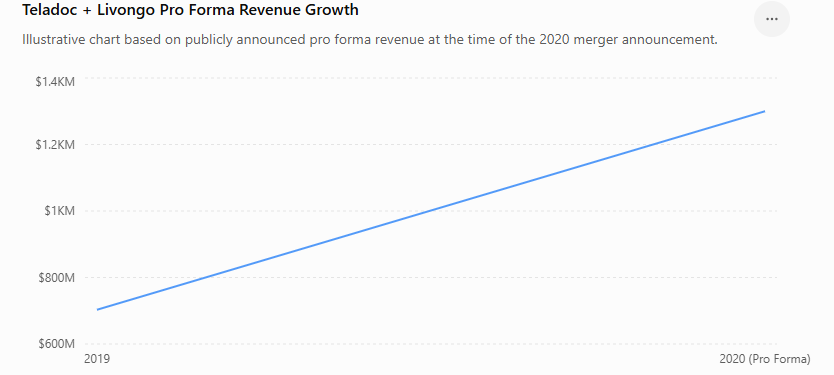
One of the biggest digital health acquisitions occurred in 2020, when Teladoc Health acquired Livongo for approximately $18.5 billion.
Investors initially questioned the price.
The strategic rationale, however, was much larger than virtual appointments.
Livongo’s Value
Livongo specialized in:
- Diabetes management
- Connected glucose monitoring
- AI-powered health coaching
- Personalized interventions
Patients uploaded glucose readings daily.
AI analyzed those readings.
Health coaches intervened before serious complications developed.
Instead of reacting after illness occurred, Livongo helped prevent it.
Investment Lesson
Teladoc wasn’t buying video conferencing technology.
It was buying millions of longitudinal health data points that improved chronic disease management.
This illustrates how investors increasingly value healthcare data rather than consultation volume alone.
Real Case Study 2: Hims & Hers Health
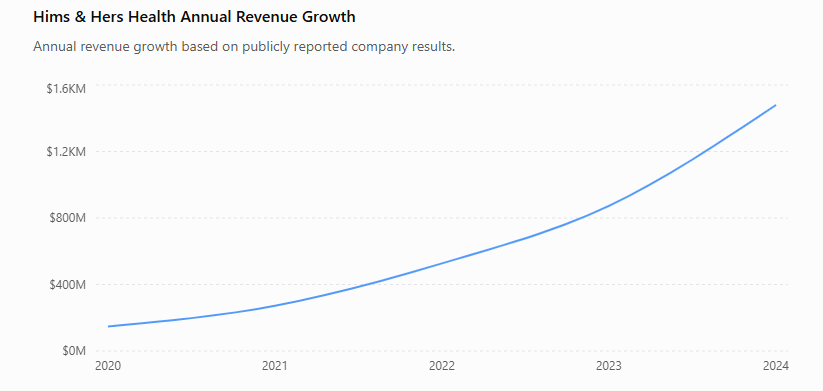
Hims & Hers Health has become one of the fastest-growing consumer telehealth platforms by combining:
- Online consultations
- Prescription fulfillment
- Personalized care
- Subscription medicine
- Pharmacy integration
Rather than focusing solely on doctor appointments, the company creates ongoing relationships with patients through recurring treatments across areas such as dermatology, mental health, weight management, and sexual health.
As patients continue treatment, the platform gathers longitudinal data that supports increasingly personalized recommendations and higher customer retention. Analysts increasingly view this combination of subscriptions, personalization, and vertically integrated care as a significant competitive advantage.
What Investors Look For Before Investing
Professional investors typically examine several key metrics:
| Metric | Why It Matters |
| Monthly active users | Indicates platform adoption |
| Patient retention | Shows customer loyalty |
| Subscription growth | Predictable recurring revenue |
| Gross margin | Software-like profitability |
| Clinical outcomes | Demonstrates effectiveness |
| Cost per patient acquisition | Marketing efficiency |
| Lifetime value (LTV) | Long-term profitability |
| AI capabilities | Future scalability |
| Regulatory compliance | Reduces legal risk |
Companies with improving retention and strong clinical outcomes often command higher valuations than those relying only on rapid user growth.
Risks Investors Must Consider
Telehealth is not a guaranteed success story. Key risks include:
Regulatory Changes
Healthcare regulations vary across countries and can change quickly. Licensing, reimbursement policies, and privacy rules may affect growth.
Data Privacy
Digital health companies handle highly sensitive patient information. Security breaches can damage trust and lead to significant financial penalties.
Competition
Major technology companies, insurers, hospitals, and startups are all investing in digital healthcare, increasing competitive pressure.
Profitability
Some platforms achieved rapid growth during the pandemic but later struggled to maintain profitability as demand normalized.
The Future of Data-Driven Healthcare
The next generation of digital health platforms will likely integrate:
- Artificial intelligence
- Wearable sensors
- Remote diagnostics
- Predictive analytics
- Personalized medicine
- Genomic data
- Continuous monitoring
Instead of treating disease after symptoms appear, healthcare may increasingly predict and prevent illness before it becomes severe.
This shift from reactive care to proactive care represents one of the largest long-term opportunities in healthcare technology.
Conclusion
The investment thesis behind telehealth and data-driven health platforms extends far beyond virtual doctor visits. The strongest businesses create integrated ecosystems where software, connected devices, AI, and continuous patient data work together to improve outcomes while generating recurring revenue. For investors, the real value lies in scalable platforms that deepen patient relationships, leverage data to personalize care, and lower healthcare costs over time.
The experiences of Teladoc Health (through its acquisition of Livongo) and Hims & Hers Health demonstrate this evolution. Both companies illustrate that the most attractive digital health investments are not merely telemedicine providers but data-driven healthcare ecosystems capable of delivering long-term clinical and financial value.