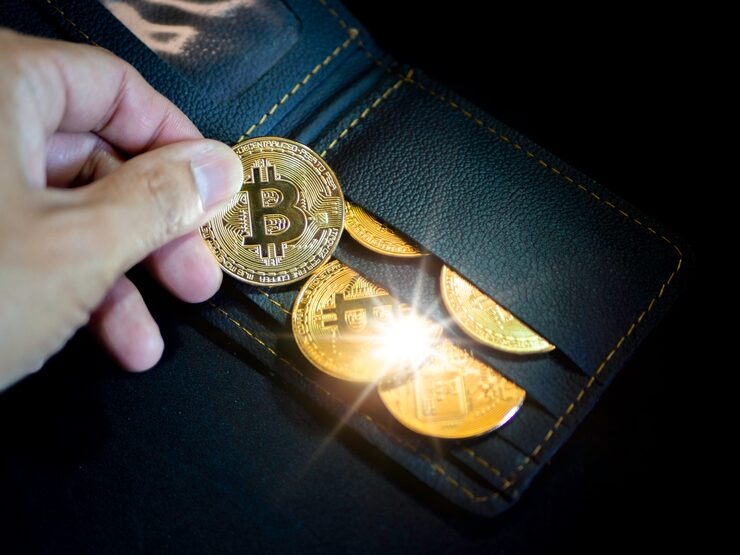
Nearly one in four adults now holds digital assets in 2026, and the single biggest decision most of them get wrong isn’t which coin to buy, it’s where to keep it. Choosing from the best crypto wallets 2026 has to offer means understanding a market that has changed dramatically in just eighteen months. Seed phrases are becoming optional thanks to MPC (multi-party computation) key splitting, hardware devices now ship with touchscreens and NFC pairing, and mobile wallets can flag suspicious transactions before you hit send.
At the same time, the stakes have never been higher. The FBI’s IC3 report attributed more than $5.6 billion in losses to crypto fraud in a single year, and the industry’s biggest recent breaches, including a $1.5 billion exchange drain, broke no cryptography at all. Attackers simply manipulated what signers saw on screen. That’s why wallet choice, not coin choice, is the real security decision.
This guide breaks down the best crypto wallets 2026 across all three categories, hardware, software, and exchange wallets, so you can match the right tool to how you actually use crypto. If you’re brand new to digital assets, start with our crypto investing basics guide first, then come back here to pick your storage solution.
Quick Comparison: Best Crypto Wallets 2026
| Wallet | Type | Best For | Price | Standout Feature |
| Ledger Flex | Hardware | Best overall | ~$249 | EAL6+ Secure Element drives the E Ink touchscreen directly |
| Trezor Safe 5 | Hardware | Open-source security | ~$129 | Fully auditable firmware + multi-share backup |
| SafePal S1 | Hardware | Budget cold storage | ~$50 | 100% air-gapped QR signing, self-destruct anti-tamper |
| MetaMask | Software | DeFi & dApps | Free | Deepest dApp compatibility, now multi-chain via Snaps |
| Trust Wallet | Software | Mobile users | Free | 100+ blockchains, 10M+ assets on one app |
| Coinbase Wallet | Software | Beginners | Free | Easiest bridge from exchange to self-custody |
| Sparrow / BlueWallet | Software | Bitcoin wallet purists | Free | Bitcoin-only design with advanced coin control |
| OKX Wallet | Exchange-linked | Active traders | Free | 100+ chains, pay gas fees in stablecoins |
What Is a Crypto Wallet (and What It Actually Stores)
A common misconception: crypto wallets don’t store your coins. Your assets live on the blockchain itself. What a wallet stores and protects is your private keys, the cryptographic credentials that prove ownership and authorize transactions. Lose the keys, lose the crypto. It’s that unforgiving.
Wallets fall into two broad security models:
Custodial wallets (typically exchange accounts) hold the keys on your behalf. Convenient, but your funds are exposed to risks entirely outside your control, hacks, freezes, insolvency.
Non-custodial wallets put the keys in your hands alone. That’s the gold standard for ownership, but the responsibility for backup and security shifts to you.
Within non-custodial options, you then choose between cold wallets (hardware devices that keep keys offline) and hot wallets (software apps that stay connected for speed and dApp access). Most serious investors in 2026 use both: a hardware wallet as the vault, a software wallet as the checking account.
Best Hardware Wallets 2026 (Cold Storage)
Hardware wallets remain the dominant choice for long-term storage in 2026, and the category has matured significantly, larger screens, biometric options, and NFC pairing have made devices far less intimidating than the button-and-tiny-screen era.
1. Ledger Flex, Best Overall Crypto Wallet 2026
The Ledger Flex tops most independent rankings this year, and for good reason. Its Secure Element chip carries a CC EAL6+ certification, the same protection class used in electronic passports and government cryptographic systems. Critically, that chip drives the 2.84-inch E Ink touchscreen directly, creating a trusted display: what you see on screen is exactly what you sign, and malware on your computer can’t spoof it.
Given that the largest thefts of the past three years worked by tampering with signing interfaces rather than breaking encryption, this architecture matters more than any spec sheet number. Through the companion app, the Flex connects to 100+ dApps, supports thousands of assets, and handles staking and NFTs from one interface.
Pros: Trusted-display architecture; broad multi-chain support; polished UX Cons: Premium price; Ledger’s closed-source firmware bothers some purists
2. Trezor Safe 5, Best Open-Source Hardware Wallet
Trezor’s Safe 5 pairs an EAL6+ Secure Element with fully open-source firmware, meaning anyone can audit the code that guards your keys. The 1.54-inch color touchscreen with haptic feedback makes address verification faster than button-based rivals at the same ~$129 price point, and multi-share (Shamir) backup lets you split your recovery phrase so no single copy can compromise you. The newer Safe 7 adds Bluetooth and refined Trezor Suite integration for those wanting the flagship experience.
Pros: Transparent, auditable firmware; excellent value; Shamir backup Cons: Some assets still need third-party wallet interfaces
3. SafePal S1, Best Budget Hardware Wallet
At roughly $50, the SafePal S1 delivers genuine air-gapped security: it never connects to the internet at all, signing transactions via QR codes. A self-destruct mechanism wipes the device if physical tampering is detected. Paired with the SafePal app, you still get staking, swaps, and dApp access across multiple chains. The interface isn’t as slick as premium devices, but it’s the cheapest path to real cold storage.
Best Software Wallets 2026 (Hot Wallets)
Hot wallets have evolved into full financial hubs, trading, staking, and NFT management now live inside the wallet itself. They’re ideal for active use, but because they stay online, the smart play is keeping only working capital in them.
4. MetaMask, Best for DeFi
MetaMask remains the default gateway to decentralized finance. Once EVM-only, it now reaches hundreds of networks, including Solana and Bitcoin, through its Snaps framework. Virtually every dApp on earth integrates with it, and it pairs natively with Ledger and Trezor devices so you get a familiar interface backed by hardware-level signing. Its 2026 mobile app adds biometric authentication and pre-transaction risk warnings.
Best for: DeFi traders, NFT collectors, and anyone living inside dApps daily.
5. Trust Wallet, Best Mobile Crypto Wallet
With support for 100+ blockchains and over 10 million assets, Trust Wallet (Binance-owned, independently operated) is the most comprehensive mobile-first option, serving a claimed 200M+ users. In-app staking, a built-in dApp browser, and QR-based WalletConnect scanning make it a complete pocket crypto hub.
Best for: Users who manage everything from their phone.
6. Coinbase Wallet, Best for Beginners
Distinct from the Coinbase exchange account, Coinbase Wallet is a true self-custody app that leverages the company’s beginner-friendly design language. It’s the smoothest on-ramp for someone graduating from “coins sitting on an exchange” to holding their own keys, with strong educational resources built in.
7. Sparrow & BlueWallet, Best Bitcoin Wallet Options
If you hold only BTC, a dedicated bitcoin wallet beats a multi-chain app. Sparrow (desktop) offers advanced coin control, full-node connectivity, and multisig for power users, while BlueWallet delivers a clean mobile bitcoin wallet experience with Lightning Network support. Bitcoin-only software has a smaller attack surface, there’s simply less code to exploit, which is exactly why long-term BTC holders gravitate toward it. For maximum protection, pair either with a hardware signer so your bitcoin wallet keys never touch an internet-connected device.
Exchange Wallets: Convenient, But Know the Trade-Off
Exchange wallets are the custodial accounts you get automatically on platforms like Coinbase, Kraken, Binance, or OKX. For buying, selling, and active trading, they’re unbeatable for convenience, instant execution, fiat on-ramps, and no gas-fee management.
The trade-off is custody. When an exchange holds your keys, you’re trusting its security, solvency, and jurisdiction. The industry’s collapses and breaches have made “not your keys, not your coins” more than a slogan. The practical 2026 approach:
- Keep on the exchange: only what you’re actively trading
- Move to a hot wallet: funds you use in DeFi or spend regularly
- Move to cold storage: everything you’re holding long-term
A special mention goes to OKX Wallet, which blurs the line: it’s a genuinely self-custodial wallet tightly integrated with the OKX exchange, supporting 100+ chains, stablecoin gas payments, and built-in risk detection that flags dangerous transactions and lookalike domains. It ranked as the best overall wallet in several mainstream 2026 reviews for exactly this hybrid strength.
Choosing where to trade is its own decision, the best crypto exchange for you depends on fees, supported assets, and regulation in your region, but whichever platform you pick, treat its wallet as a transit point, not a vault.
FintechZoom.com Crypto Wallet Coverage: Is It Worth Following?
Many readers land on this page after researching fintechzoom.com crypto wallet rankings, and it’s worth addressing directly. FintechZoom is a high-traffic financial media site whose crypto wallet articles aggregate popular picks, typically Ledger, Trezor, MetaMask, and Trust Wallet, alongside market commentary.
Its coverage is useful as a starting point for discovering wallet names, but it’s aggregation, not hands-on testing. The fintechzoom.com crypto wallet lists rarely detail signing architecture, firmware transparency, or the secure-element certifications that actually separate safe devices from risky ones. Treat it the way you’d treat any media roundup: a discovery tool, then verify specifics against manufacturer documentation and independent security audits. We’ve published a full breakdown of the site’s strengths and blind spots in our FintechZoom crypto coverage review if you want the deeper analysis before relying on its rankings.
What Changed in Wallets This Year
Three shifts define the 2026 wallet market. First, keyless recovery went mainstream: MPC key-splitting means a growing share of new wallets never show users a seed phrase at all, eliminating the most commonly exploited point of failure. Second, wallets absorbed the exchange: swaps, staking, bridging, and even fiat on-ramps via Apple Pay and Google Pay now happen inside the wallet, blurring the old wallet-versus-platform divide. Third, security moved to the screen: after a wave of interface-manipulation attacks, trusted-display architecture, where the secure chip itself renders what you’re signing, became the feature that separates top-tier hardware from the rest. If you last shopped for a wallet in 2023, the landscape genuinely looks different now.
How to Choose the Right Wallet in 2026
Run your decision through these five filters:
- Holding size. Once your portfolio passes roughly $1,000, a hardware wallet stops being optional. Below that, a reputable non-custodial hot wallet is reasonable.
- Usage frequency. Daily DeFi user? Hot wallet paired with a hardware signer. Buy-and-hold investor? Cold storage, full stop.
- Chains you use. Bitcoin-only holders should favor a dedicated bitcoin wallet; multi-chain users need broad network support like Trust Wallet or OKX.
- Recovery design. MPC and multi-share backups have made single seed phrases, the classic single point of failure, increasingly avoidable in 2026. Favor wallets offering modern recovery.
- Signing transparency. Prefer devices where the secure chip drives the display. The biggest hacks of this cycle succeeded by changing what signers saw, not by breaking keys.
Wallet Security Best Practices for 2026
Even the best crypto wallets 2026 can’t protect you from operational mistakes:
- Never share or photograph your seed phrase. Store it offline, ideally on metal, in two locations.
- Verify addresses on the device screen, not your computer, clipboard-hijacking malware remains rampant.
- Buy hardware wallets only from official stores. Marketplace resellers have shipped pre-compromised devices.
- Beware of blind signing. If a dApp asks you to approve a transaction you can’t read, walk away.
- Revoke old token approvals quarterly; stale permissions are a leading drain vector.
- Use a passphrase (25th word) on hardware wallets for an extra hidden vault.
FAQs
What is the best crypto wallet in 2026 overall? For most users, the Ledger Flex offers the strongest balance of certified security and usability, with the Trezor Safe 5 as the best open-source alternative. Active DeFi users should pair either with MetaMask.
Are exchange wallets safe? For active trading balances, major regulated exchanges are reasonably safe. For long-term holdings, no, custodial risk means your assets depend on the platform’s security and solvency.
What’s the best bitcoin wallet specifically? Sparrow (desktop) or BlueWallet (mobile) paired with a hardware signer. Bitcoin-only wallets minimize attack surface.
Do I still need a seed phrase in 2026? Increasingly, no. MPC-based wallets like Tangem’s mobile app split keys and offer keyless recovery, though traditional seed backups remain the standard for most hardware devices.
Is FintechZoom a reliable source for wallet picks? It’s a useful discovery point, but its lists are aggregated rather than tested. Verify security specifics independently, see our full review linked above.
Final Verdict
The best crypto wallets 2026 strategy isn’t one wallet, it’s a layered system. Keep long-term holdings on a hardware device like the Ledger Flex or Trezor Safe 5, run daily DeFi through MetaMask or Trust Wallet backed by that hardware signer, and treat your exchange account purely as a trading venue. Match the tool to the job, verify everything on a trusted screen, and your keys, and your crypto, stay yours.