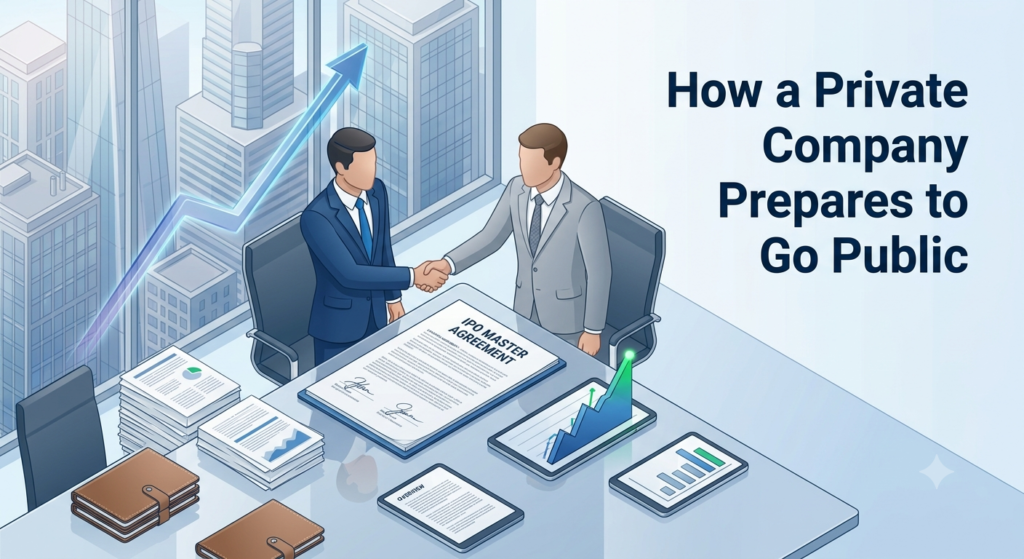
Going public is one of the biggest milestones in a company’s journey. It transforms a privately owned business into one whose shares trade on a public stock exchange. While many people focus on the excitement of an Initial Public Offering (IPO), the preparation behind the scenes often takes years.
According to research from PwC, Deloitte, and the U.S. Securities and Exchange Commission (SEC), successful IPOs depend far more on preparation than on the listing day itself. Companies must strengthen financial reporting, improve governance, comply with regulations, and convince investors that they have a sustainable growth story.
This article explains how private companies prepare to go public using real-world examples and the latest research.
Why Do Companies Go Public?
Companies pursue an IPO for several reasons:
- Raise capital to fund expansion
- Invest in research and development
- Reduce debt
- Increase public visibility
- Provide liquidity for founders and early investors
- Use publicly traded shares for acquisitions and employee compensation
However, becoming public also brings higher regulatory obligations, greater transparency, and continuous scrutiny from investors.
Step 1: Assessing IPO Readiness
Before filing any paperwork, management evaluates whether the company is truly ready.
An IPO readiness assessment typically examines:
- Revenue growth
- Profitability or path to profitability
- Internal financial controls
- Corporate governance
- Market opportunity
- Legal compliance
- Operational scalability
Research from PwC’s IPO Readiness Guide shows that many companies begin preparing 18 to 36 months before their planned IPO.
What investors want
Institutional investors usually look for:
- Predictable revenue
- Strong gross margins
- Large addressable market
- Experienced leadership
- Sustainable competitive advantages
Step 2: Strengthening Financial Reporting

One of the biggest changes for a private company is upgrading its accounting standards.
Public companies must produce audited financial statements that comply with strict regulatory requirements.

Preparation includes:
- Multi-year audited financial statements
- Internal financial controls
- Quarterly reporting systems
- Revenue recognition reviews
- Risk disclosures
Many companies hire one of the “Big Four” accounting firms during this stage.

Step 3: Building a Strong Leadership Team
Public investors don’t only evaluate the product—they also evaluate leadership.
Companies often recruit:
- Independent board members
- Experienced CFOs
- Investor relations executives
- Compliance officers
- Corporate governance specialists
Independent directors improve oversight and increase investor confidence.
Step 4: Choosing Investment Banks
The company selects one or more investment banks to underwrite the IPO.
Their responsibilities include:
- Valuation
- Pricing strategy
- Marketing shares
- Book-building
- Institutional investor outreach
- Stock allocation
Major IPO underwriters often include Goldman Sachs, Morgan Stanley, JPMorgan, Bank of America, and other global investment banks.
Step 5: Filing the Registration Statement
In the United States, companies typically file SEC Form S-1.
The filing includes:
- Company history
- Business model
- Risk factors
- Financial statements
- Management discussion
- Executive compensation
- Share ownership
- Use of IPO proceeds
The SEC reviews the filing and often requests revisions before approving the offering.
This review process may take several months.
Step 6: The IPO Roadshow
Once regulators approve the filing, executives begin the IPO roadshow.
During this period, management meets institutional investors across major financial centers.
The goal is to explain:
- Business strategy
- Growth opportunities
- Financial performance
- Competitive advantages
- Future outlook
Investor feedback also helps determine the final IPO price.
Step 7: Pricing and Listing
After the roadshow concludes:
- Demand is analyzed.
- The final share price is determined.
- Shares are allocated.
- Trading begins on the exchange.
Even after listing, preparation continues because public companies must publish quarterly earnings reports and comply with ongoing disclosure rules.
Real Case Study: Airbnb
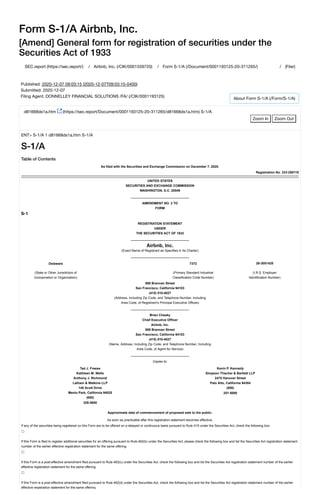
When Airbnb prepared for its IPO in 2020, it faced one of the toughest business environments imaginable.
The COVID-19 pandemic temporarily devastated global travel.
Instead of rushing to market, Airbnb:
- Reduced expenses
- Improved operational efficiency
- Strengthened cash management
- Revised its growth strategy
- Enhanced investor communication
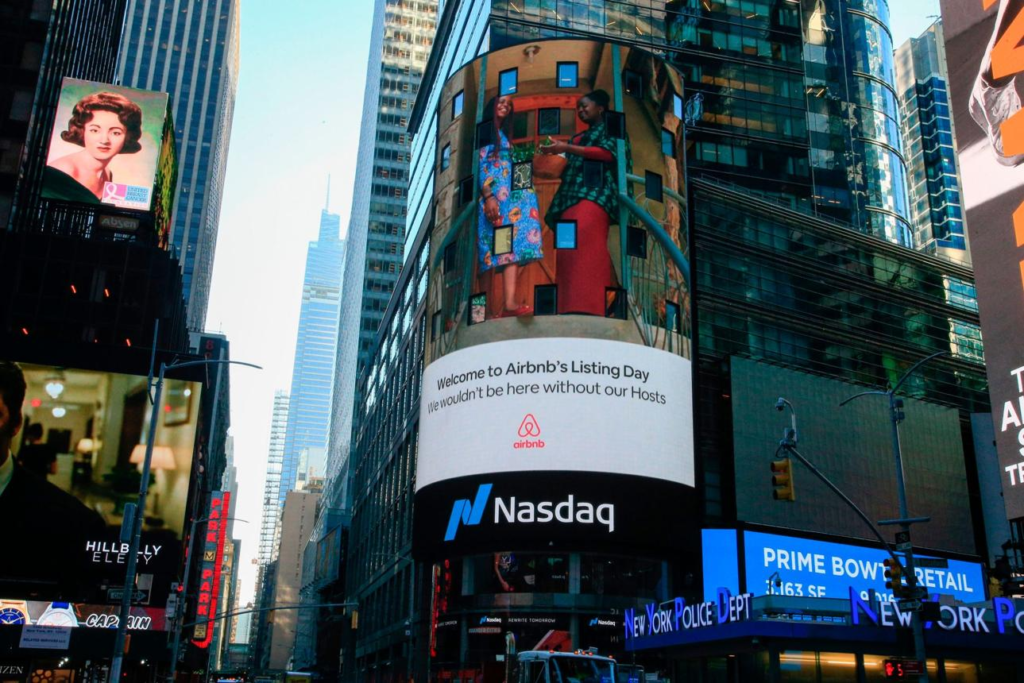
When the company eventually went public in December 2020, investor demand exceeded expectations.
Key Lesson
Strong preparation can overcome difficult market conditions.
Real Case Study: Reddit

Reddit spent years improving its advertising business before going public in 2024.
Preparation included:
- Expanding revenue sources
- Improving financial reporting
- Increasing transparency
- Explaining long-term AI licensing opportunities
- Building investor confidence around user growth
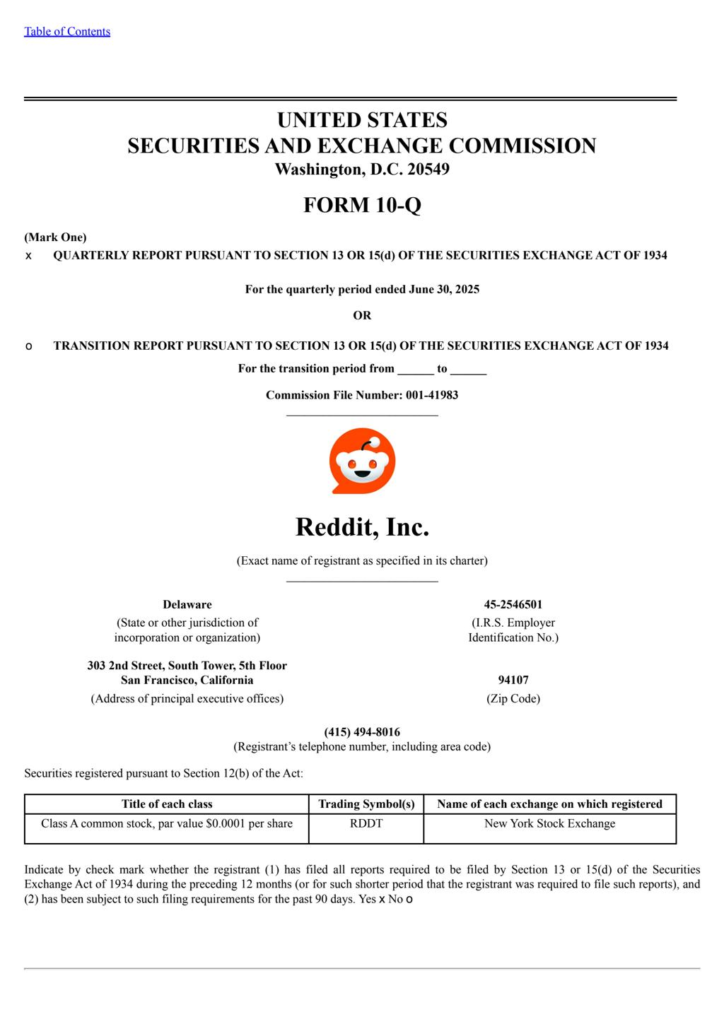
Although Reddit was not consistently profitable before listing, investors appreciated its clear growth strategy and unique online communities.
Key Lesson
Companies don’t always need perfect profitability, but they do need a believable long-term plan.
Real Case Study: Arm Holdings

Arm Holdings returned to public markets in 2023 after previously being privately owned by SoftBank.

Preparation focused on:
- Demonstrating stable licensing revenue
- Highlighting AI-related semiconductor demand
- Providing detailed financial disclosures
- Positioning itself as a critical technology supplier
Its IPO became one of the largest technology offerings in recent years.

Key Lesson
A compelling market narrative supported by solid financial fundamentals can attract strong investor interest.
Common Challenges Before Going Public
Preparing for an IPO is expensive and time-consuming.
Companies often face:
- Regulatory complexity
- High legal costs
- Increased audit expenses
- Pressure to meet quarterly expectations
- Greater public scrutiny
- Market volatility
Research by Deloitte notes that companies often invest millions of dollars in IPO preparation before selling a single public share.
What Research Says
Recent studies consistently highlight several factors linked to stronger IPO outcomes:
- Companies with mature financial reporting systems tend to experience smoother IPO processes.
- Strong corporate governance improves investor confidence.
- Transparent risk disclosures reduce uncertainty.
- Experienced executive teams contribute to better market reception.
Research from the SEC also emphasizes that complete and accurate disclosure remains one of the most important protections for public investors.
Key Takeaways for Investors
If you’re evaluating a company before its IPO, pay attention to:
- Revenue quality rather than just revenue growth
- Cash flow trends
- Debt levels
- Competitive positioning
- Management experience
- Corporate governance
- Risk disclosures in the S-1 filing
Companies that spend years preparing are generally better positioned than those rushing to market.
Conclusion
An IPO is much more than ringing the opening bell at a stock exchange. Behind every successful public listing is years of preparation involving stronger financial systems, experienced leadership, regulatory compliance, and careful communication with investors.
Real-world examples such as Airbnb, Reddit, and Arm Holdings show that while every company’s journey is unique, the fundamentals remain the same: transparency, governance, financial discipline, and a credible long-term growth strategy.
For investors, understanding this preparation process provides valuable insight into whether a newly public company is built for sustainable success or simply taking advantage of favorable market conditions.